
Living with EDS
When tired doesn't begin to describe it.
Why fatigue can be so significant, and why it still deserves proper assessment.
One global place for reliable Ehlers-Danlos information, emerging research, honest lived experience and ways to support people who are dealing with it every day.
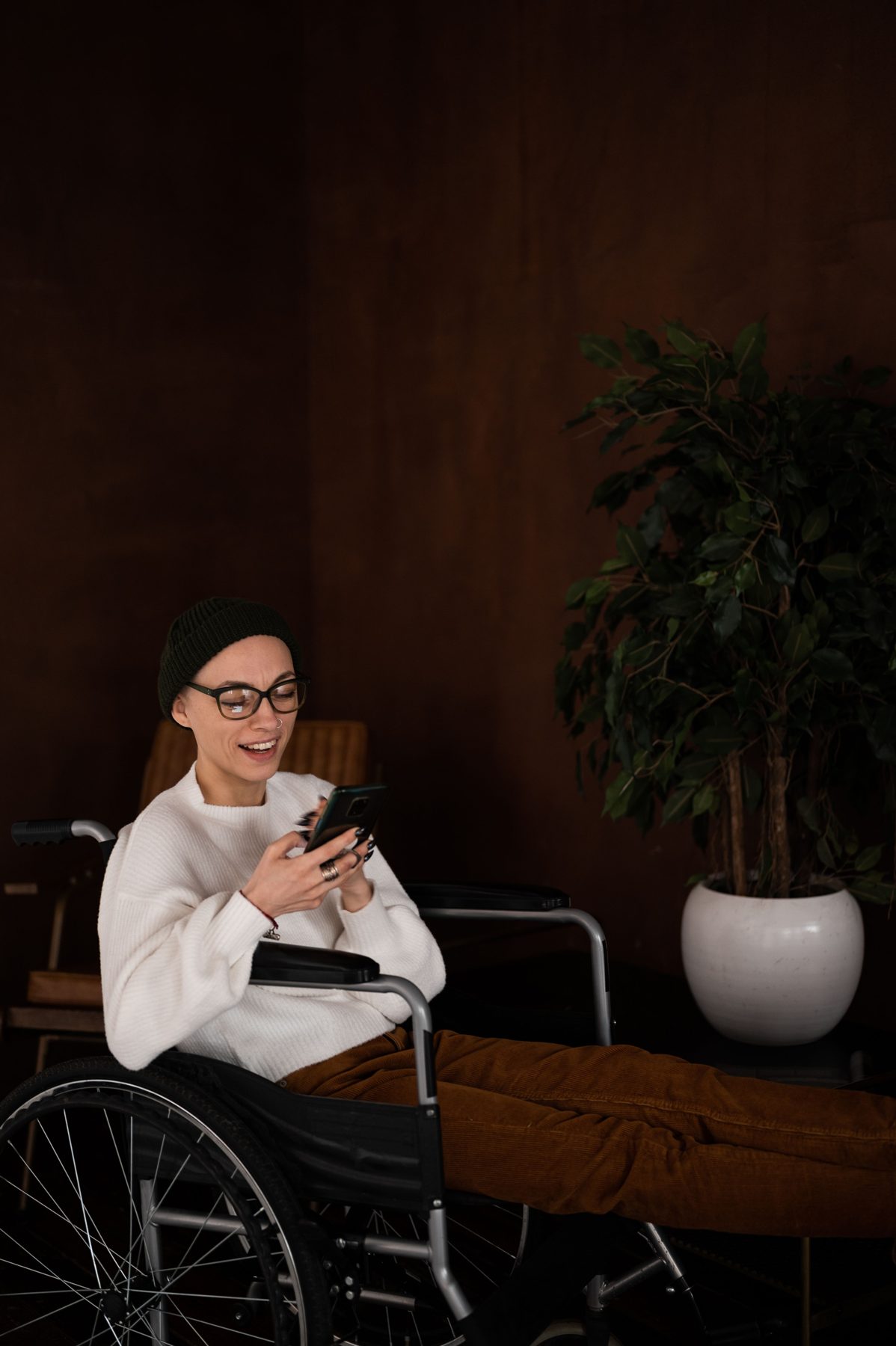
Medical information is source-linked and date-stamped. Personal experience is clearly labelled as personal experience. The two should inform each other without ever being confused.
Why fatigue can be so significant, and why it still deserves proper assessment.
A plain-English introduction to a group of inherited connective tissue disorders.
↗02hEDS is currently diagnosed clinically rather than through a confirmed diagnostic genetic test.
↗03Severe tiredness is commonly reported in hEDS, but it can have more than one cause.
↗04Hypermobility is not simply being flexible — for some people it comes with instability and pain.
↗05Skin features differ by EDS type, and can be much more significant in some types than others.
↗Browse the growing library by the thing you actually need to understand today.
A plain-English introduction to a group of inherited connective tissue disorders.
hEDS is currently diagnosed clinically rather than through a confirmed diagnostic genetic test.
Severe tiredness is commonly reported in hEDS, but it can have more than one cause.
Hypermobility is not simply being flexible — for some people it comes with instability and pain.
Skin features differ by EDS type, and can be much more significant in some types than others.
Some people with EDS or HSD also experience symptoms such as dizziness, palpitations or faintness when upright.
Poor sleep can amplify fatigue, concentration problems and pain.
The right support can reduce strain and make participation possible.
These summaries link to first-person stories published by established EDS organisations. We don't copy people's stories; we send readers to the original voice.
Emma describes childhood pain that was initially put down to growing pains, repeated medical appointments and eventually receiving an hEDS diagnosis at a children's hospital.
Jessica writes about living with pain and fatigue, complex health problems and the importance of ordinary moments, relationships and her dog in a life shaped by EDS.
Kate reflects on the shift from childhood flexibility to adult instability and on learning to use braces, crutches and support from other people rather than trying to manage everything alone.
Natasha describes the trade-offs involved in managing energy, pain and daily treatments while continuing creative work and making room for meaningful experiences.
Elliana's family shares the experience of a genetic cEDS diagnosis in early childhood and the ongoing advocacy needed across emergency care, specialist appointments and daily life.
Giselle shares a long and complex health journey and explains why raising visibility for hEDS and HSD became important to her.
The discovery feed checks PubMed automatically. A paper appearing here does not mean its conclusions have been endorsed or added to medical guidance.
You can submit an existing personal fundraiser, support established EDS charities, or eventually use the platform to organise an awareness campaign.
Start with recognised public-health services, clinical references, support organisations and research resources.
Public health guidance ↗
United KingdomPatient charity & support ↗
United Kingdom / GlobalClinician education ↗
United Kingdom / GlobalSchools & families ↗
GlobalResearch, education & community ↗
GlobalLocal support directory ↗